Vermicomposting uses worms to break down food scraps. The worms consume the material and convert it into vermicast. This process happens at moderate temperatures, typically between 50 degrees and 90 degrees and is driven by biological activity in the worms’ gut and the surrounding microbes. In as little time as 20 days, you have a fine, nutrient-dense material with high microbial activity.
Traditional composting relies on microorganisms (bacteria and fungi) to decompose organic matter. It often involves building piles that heat up through microbial activity, often reaching high temperatures that break down tougher materials and reduce pathogens and weed seeds. There are also certain foods and organic materials that worms won’t tolerate in their bins, whereas with traditional composting you can compost almost anything.


Vermicompost Process
Vermicomposting is the process of using red wiggler worms to transform organic waste into nutrient-rich soil. Instead of sending food scraps and plant material to landfills, vermicomposting harnesses the digestive power of worms to break down this material quickly and efficiently. The result is a nutrient dense substance known as vermicast, or worm castings. There are many ways to produce vermicast, each with its own rhythm and setup.
We use a continuous flow-through system. Fresh organic material is added at the top, creating a steady food source that encourages the worms to move upward over time. As they process that material, finished castings accumulate below. This allows us to harvest from the bottom without disturbing the active layer above, maintaining a stable, efficient cycle and a consistent, high-quality output.
Vermicast
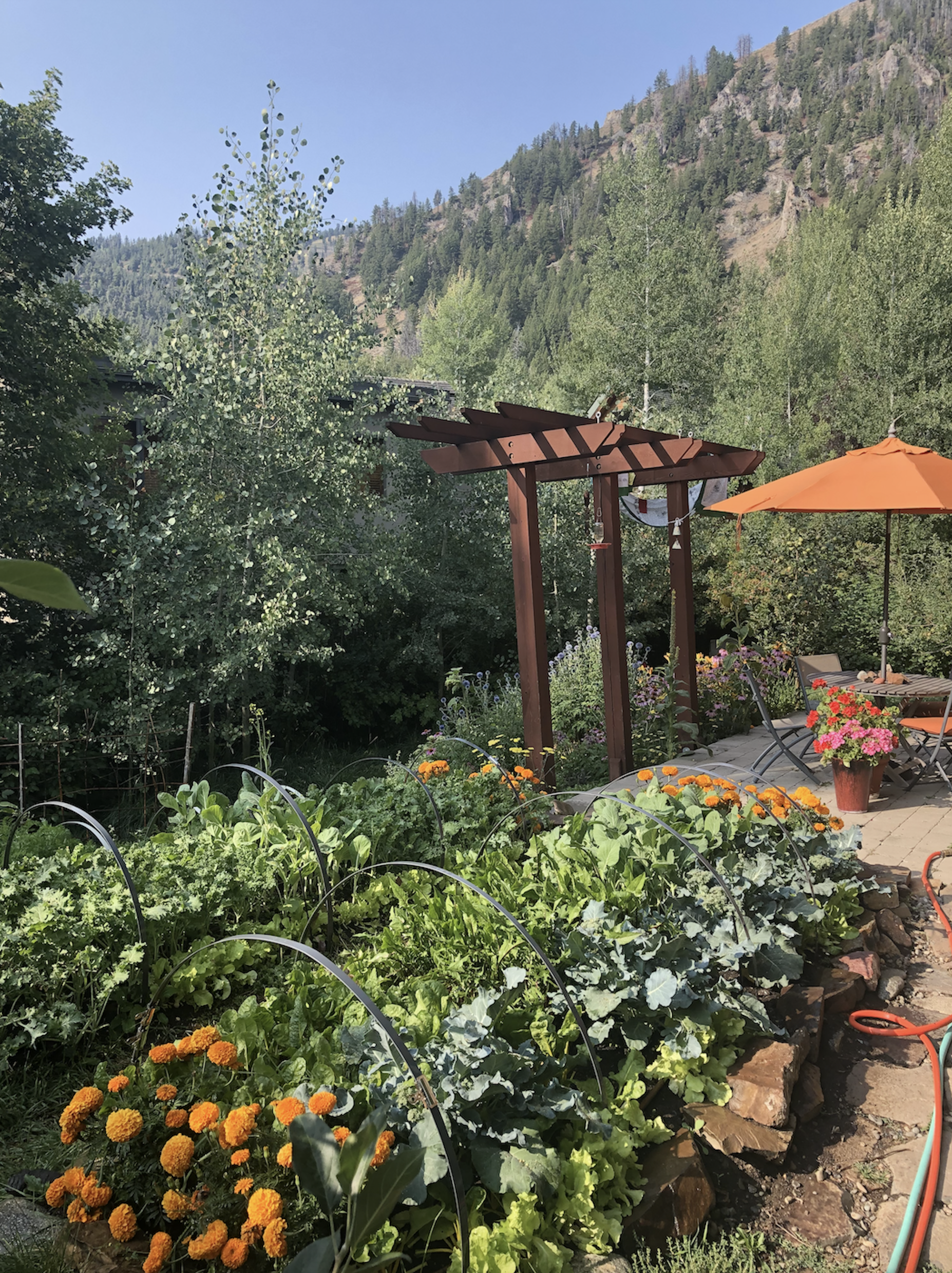
Vermicast is a highly valued soil amendment packed with beneficial microbes, essential nutrients, and organic matter. It improves soil structure, enhances moisture retention, and supports healthy plant growth without the need for synthetic fertilizers. Whether used in gardens, landscaping, or agriculture, vermicast enriches soil and provides plants with the ingredients needed to thrive.
Community Impact
By composting surplus food from local grocery stores, we redirect a steady stream of organic material away from the landfill and back into the soil. Instead of breaking down into methane in a closed system, those nutrients are transformed into vermicast and compost tea that support plant health and soil structure. It’s a practical loop: food waste becomes a resource that benefits local growers, landscapes, and green spaces.